

Korean Bibimbap bowl
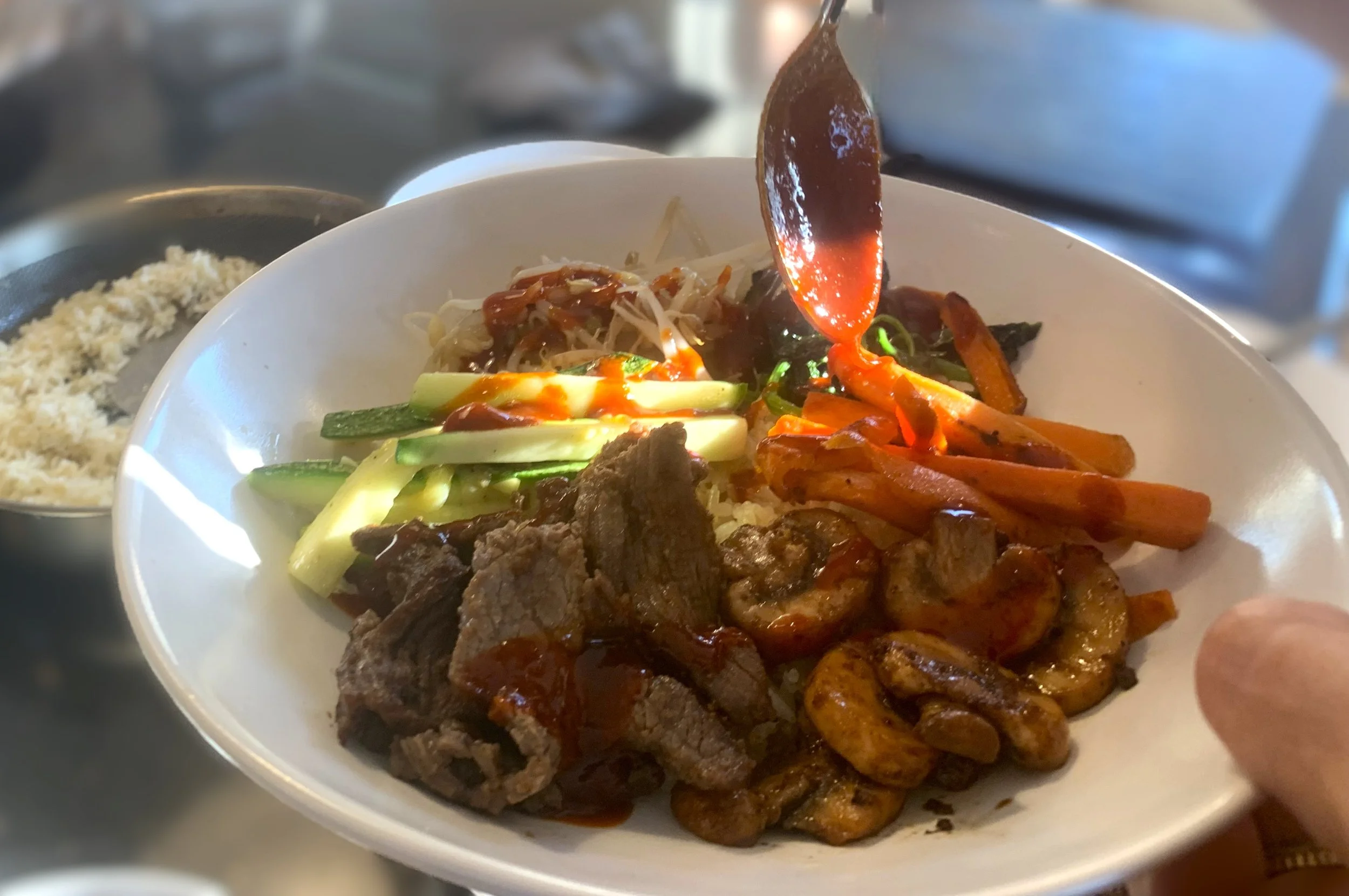
Bibimbap is fun to say but is even more fun to eat! This popular Korean dish of steamed rice topped with seasoned vegetables, beef, and chili paste, then crowned with a fried egg, will have you saying “Ooo-mommy!”
KOREAN BIBIMBAP bowls
4 cups steamed white rice,(short grain rice is traditional) 4 eggs 1 tablespoon toasted sesame seeds for garnish
Beef & Marinade:
12 ounces beef tenderloin or tender steak , very finely sliced (or look for Beef Bulgogi or thinly sliced ribeye or sirloin) 1/4 green apple , grated 3 garlic cloves , minced 1 teaspoon peeled and minced fresh ginger 1 tablespoon soy sauce 1 tablespoon brown sugar 1 tablespoon sesame oil , toasted
-Mix all the ingredients except the beef in a medium-sized mixing bowl. Stir to mix well. Add the beef to the marinade and allow to sit at least 30 minutes or overnight in the refrigerator.
-Heat 1 tablespoon vegetable oil in a large skillet over high heat. Place beef into a colander to allow the excess marinade to drip off. Add the beef to the skillet. Cook for 3 -4 minutes, turning frequently, until cooked through with a bit of browning, then remove from skillet. Set aside and keep warm, covered with foil.
Vegetables:
2 large carrots, cut into 2 inch by ½ inch lengths 8 ounces of fresh spinach, roughly chopped 1/2 pound bean sprouts 8 dried shiitake mushrooms , (or other mushrooms such as cremini) 1 large red bell pepper juliened (cut into 2 inch x ½ inch lengths) 3 green onions, chopped into ½ inch pieces 1 medium zucchini, cut into 2 inch x ½ inch lengths 3 cloves minced garlic 3 tablespoons vegetable oil , separated 1 teaspoon salt, or more to taste 1 tablespoon soy sauce Sesame oil , toasted
-To Prepare vegetables in one skillet, follow the instructions below:
1- Begin with spinach: Heat a little oil and minced garlic in the skillet over medium heat. Add the spinach and a pinch of salt. Sauté for 1 minute until slightly wilted, then transfer to a plate and set aside.
2- Cook the sprouts: Add bean sprouts and a splash of water to the hot skillet. Cover with a lid and steam for 3 to 5 minutes until tender-crisp. Transfer to another plate and set aside.
3 - Sauté the zucchini: Wipe the skillet out with a paper towel. Add a little oil and the sliced zucchini with a pinch of salt. Cook for 2 minutes until just softened, then remove.
4 - Sauté the carrots and red peppers: Wipe the skillet out with a paper towel. Add a few drops of oil, then place the carrots in half of the skillet and the red pepper slivers in the other half. Sprinkle with salt. Toss for 2 - 3 minutes, over medium-high heat, trying to keep the carrots and red peppers separate, until tender yet bright, then remove.
5 - Green Onions: Add another splash of oil to the skillet, then place the green onions in the skillet. Give them an occasional stir as you soften them over medium-high heat for about 2 minutes.
6 - Finish with mushrooms: Wipe the skillet out with a paper towel. Cook the sliced mushrooms with a splash of soy sauce, oil, and a bit of garlic for 2 to 3 minutes until browned and tender.
Bimbimbap Sauce
2 tablespoons gochujang (Korean red chili paste) 1 tablespoon sesame oil 1 tablespoon sugar or honey 1 tablespoon water (plus extra to thin, if needed) 1 tablespoon soy sauce 1 tablespoon mirin 1 tablespoon rice vinegar 1 large garlic clove, minced 1 tablespoon toasted sesame seeds
-Place all the ingredients into a small bowl. Whisk until smooth and well blended. If the paste is too thick to drizzle, add a bit more water. Serve with the beef, rice, and vegetables to drizzle over each individual composed rice/beef bowl.
Assemble:
In a skillet with a bit of oil, fry eggs to your taste (traditionally the eggs are cooked sunny-side up with runny yolks). Sprinkle with a bit of salt.
Place warm rice in individual serving bowls or in 1 large bowl if you prefer serving “family-style”.
Top with vegetables and beef, as pictured in the post, then lastly, the egg. Traditionally, the vegetables are placed in their own sections and not intermingled with the other vegetables.
Sprinkle with sesame seeds as a garnish, then drizzle with a bit of sesame oil. Place a dollop of gochujang sacue next to the fried egg. Let each eater pour just the amount of Bibimbap sauce they would like over the top of their bowl. Extra sauce can be served on the side. Bibimbap can be served warm or at room temperature. Makes 4 large servings.
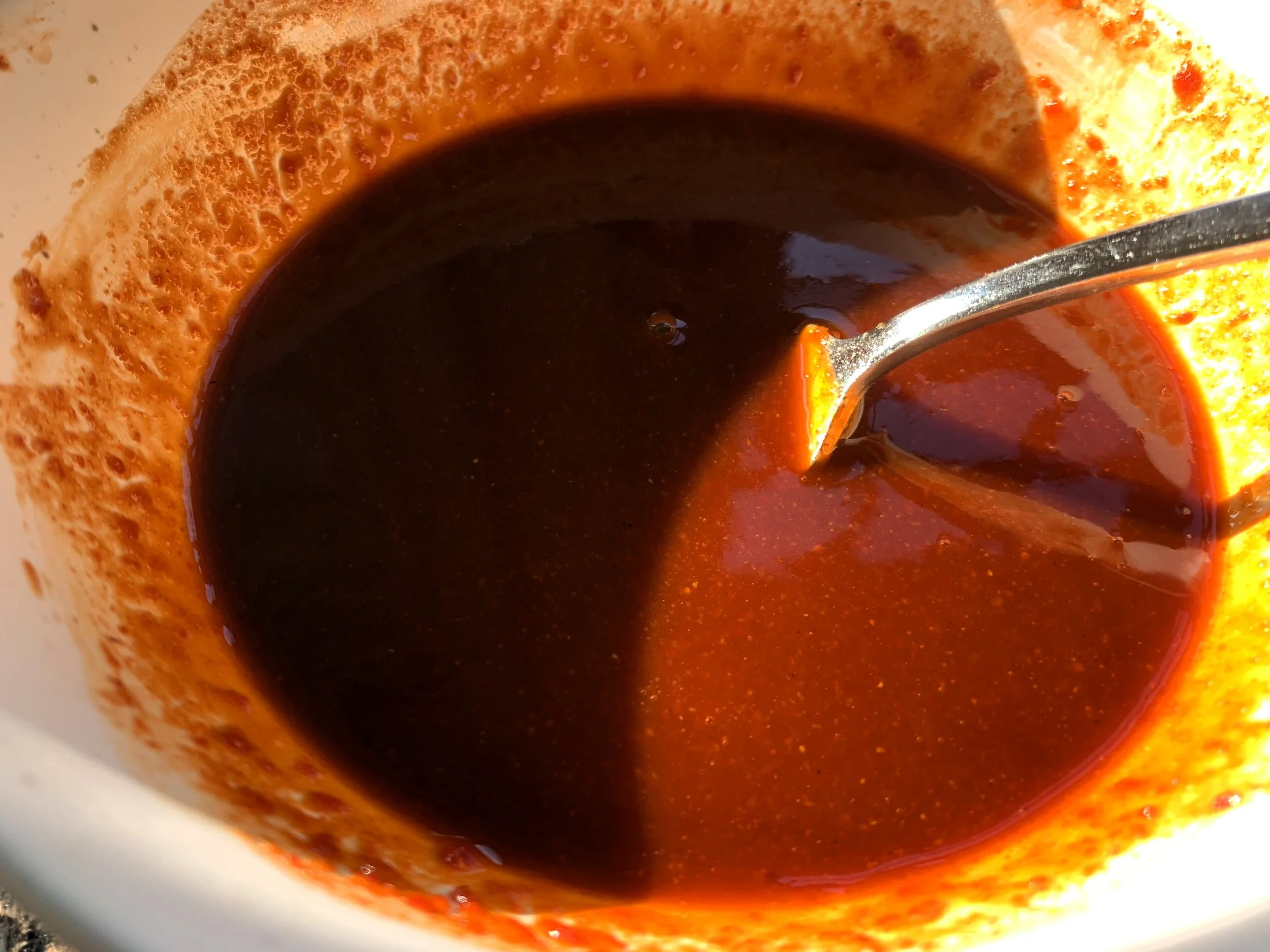
Combine the ingredients for the Bibimbap sauce in a small bowl, then set aside to develop its wonderful flavors.
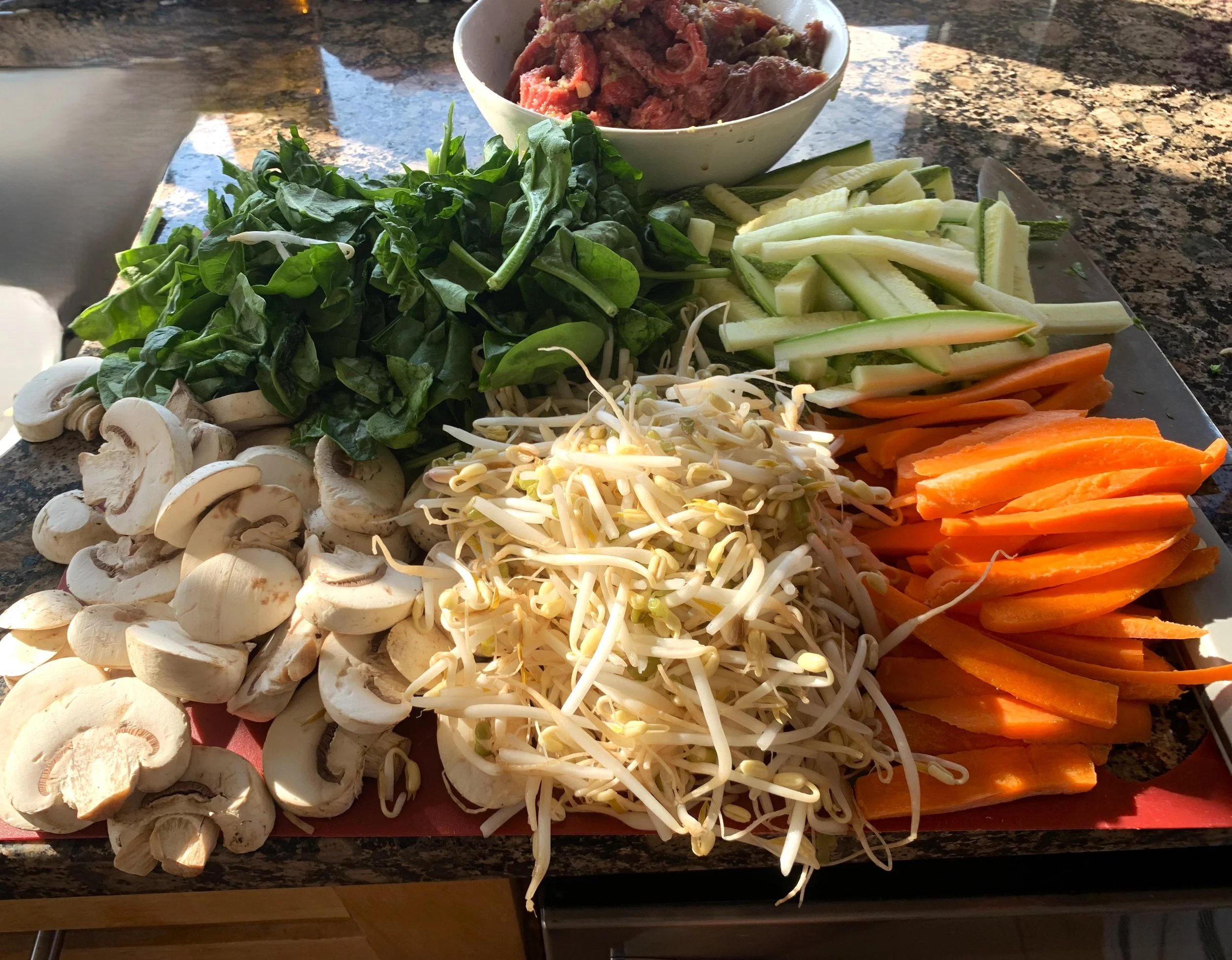
Prepare the vegetables and beef, by slicing, cutting and chopping each as directed.
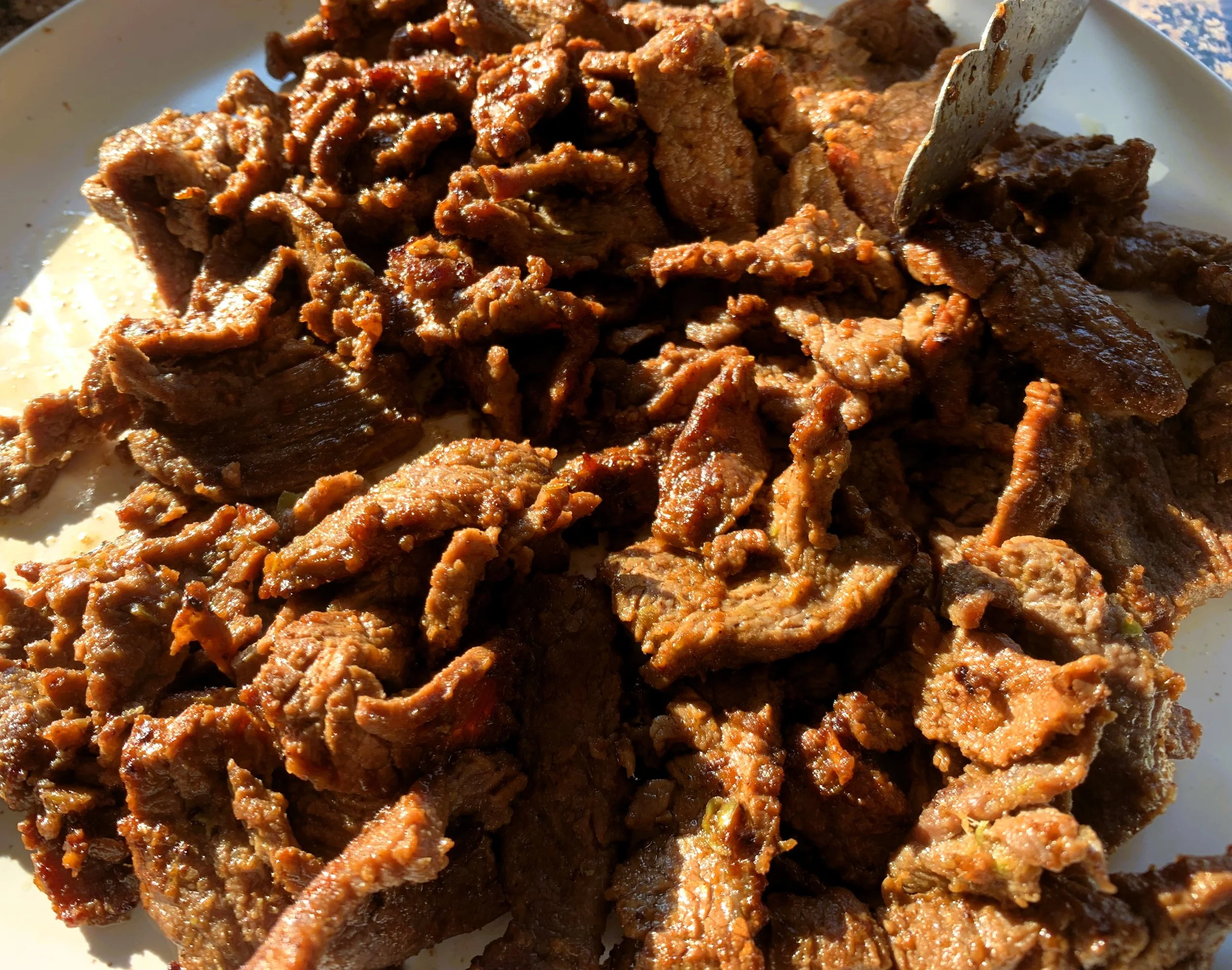
Marinate the beef strips in the marinade, then allow to marinate for at least 30minutes. Finally, fry in oil until browned and crispy.
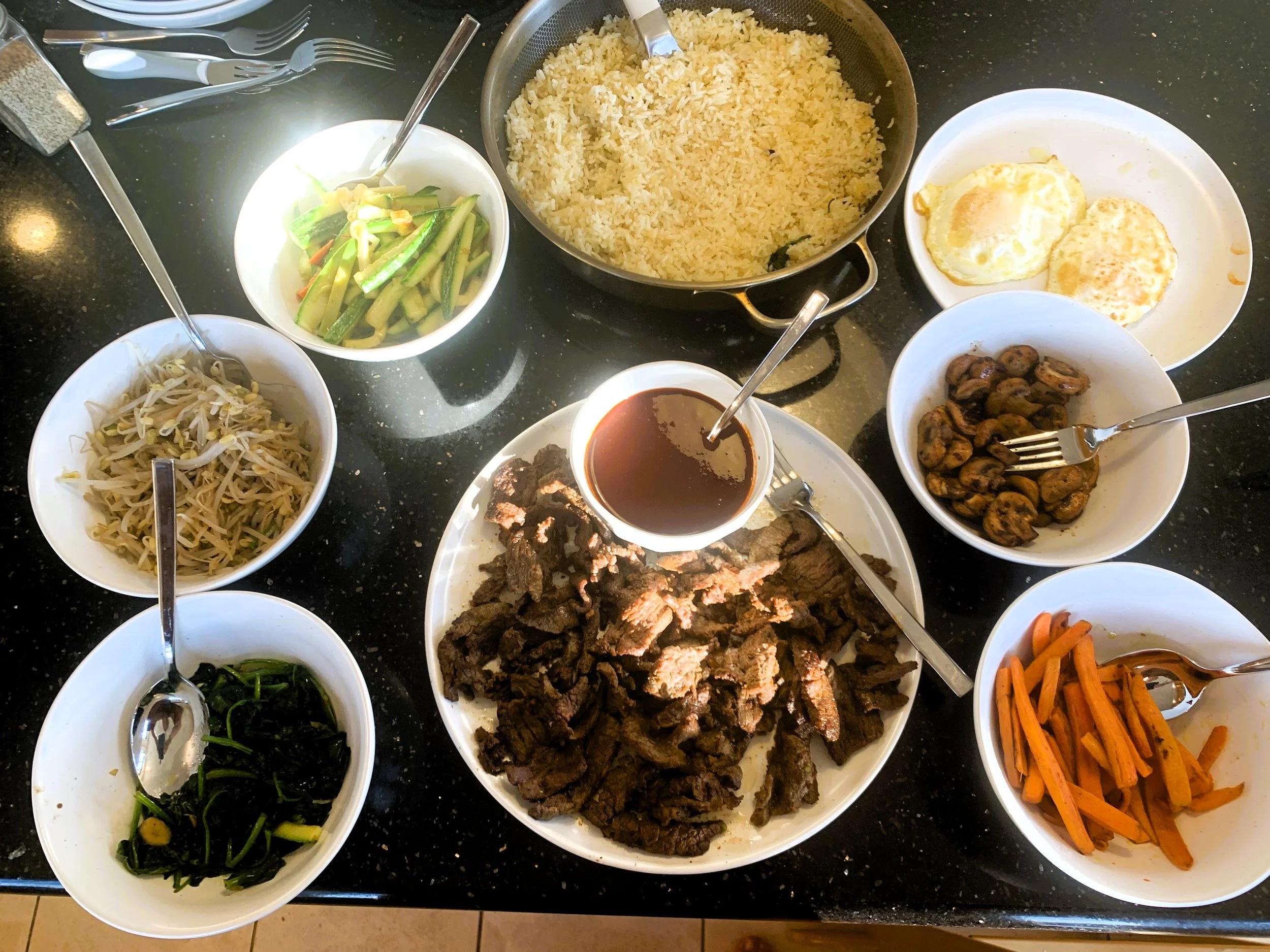
Prepare all the vegetables as described in the recipe, then serve in small serving bowls along with the rice, meat, eggs, and Bibimbap sauce.
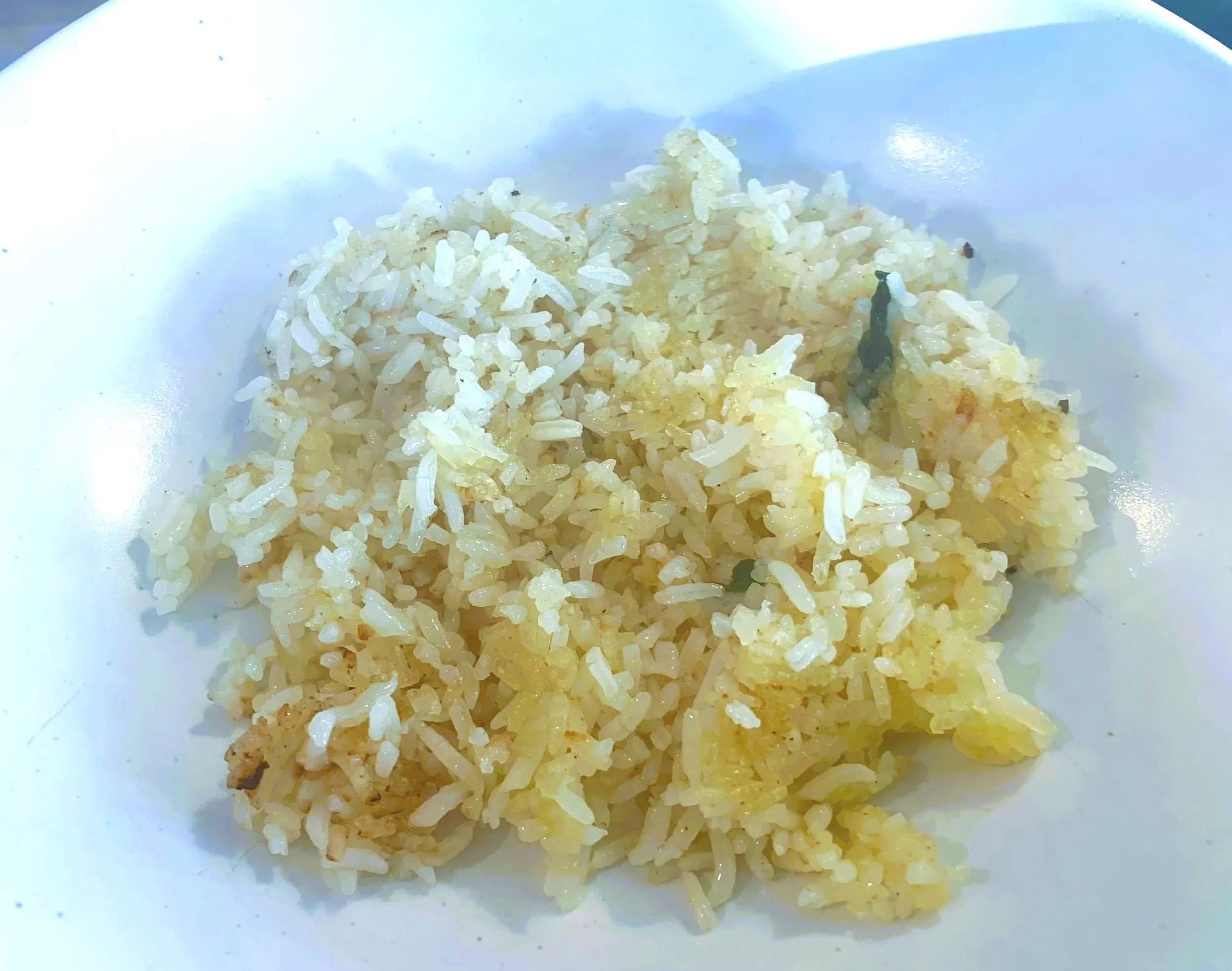
To create individual servings of Bibimbap, in individual bowls, first place a serving or rice.
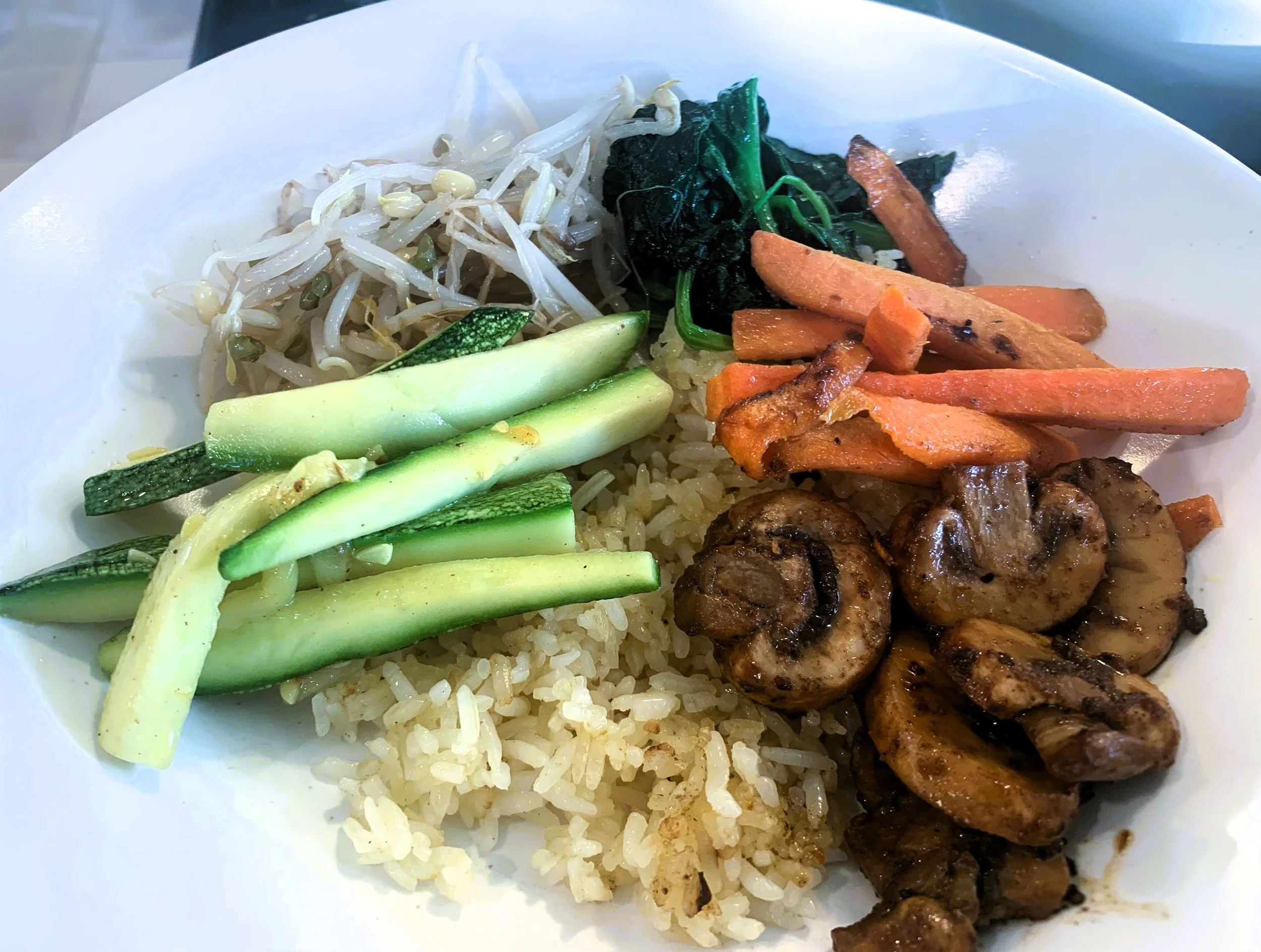
Next arrange vegetables on top, keeping each separate in its own placing, to see the beautiful contrast of colors.
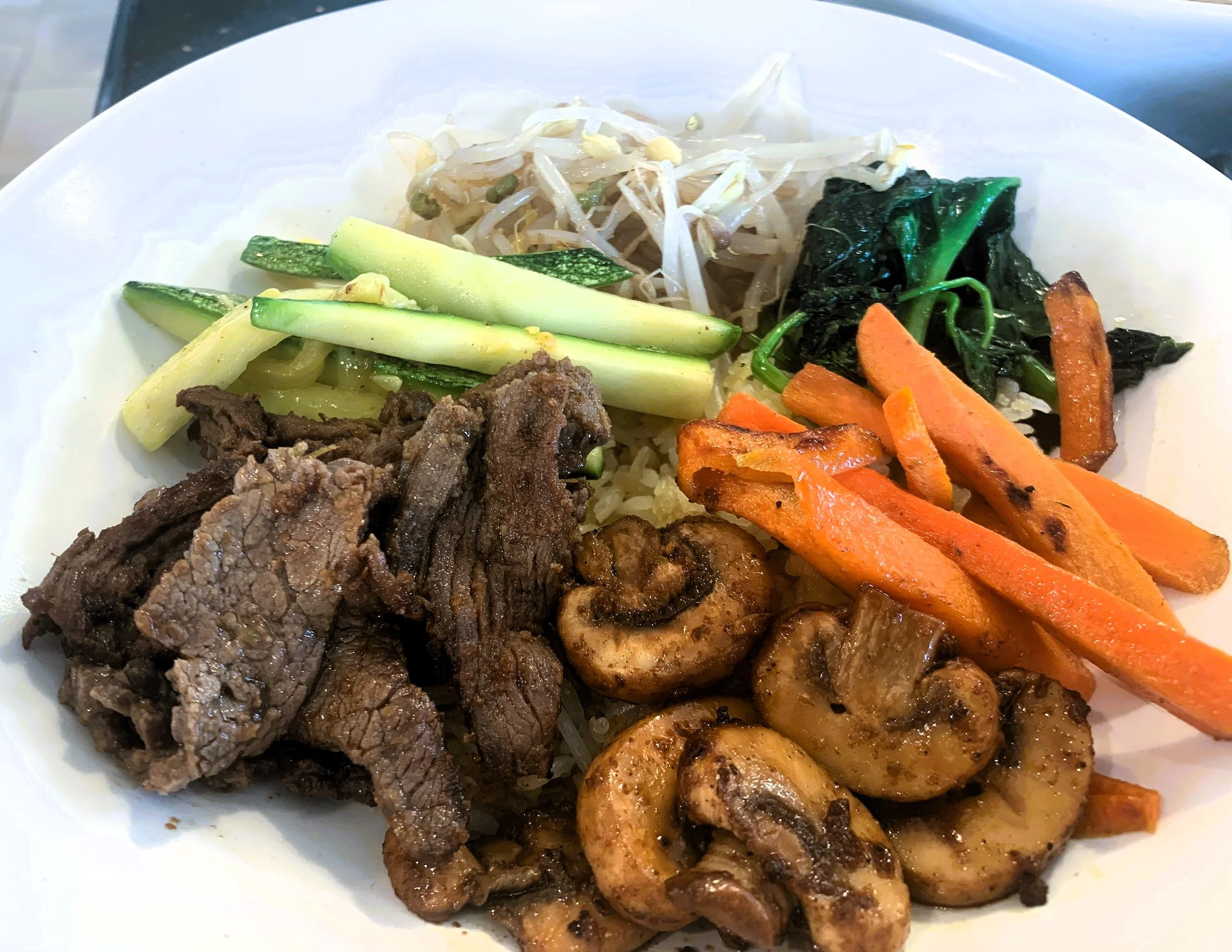
Next, place a serving of the cooked, marinated beef beside the vegetables.
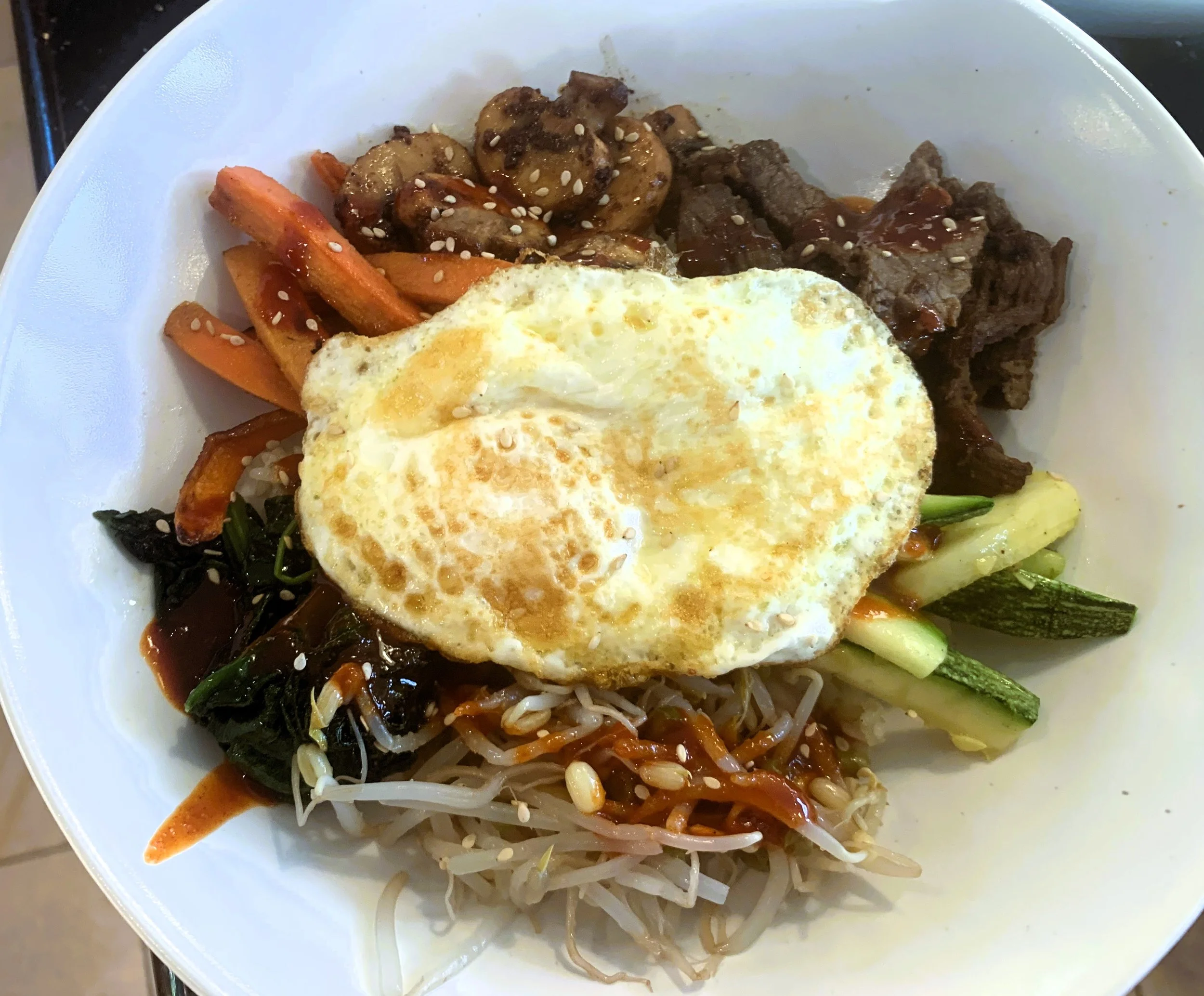
Crown the dish with the fried egg and garnish with toasted sesame seeds…..then finally drizzle a generous serving of Bibimbap sauce on top!
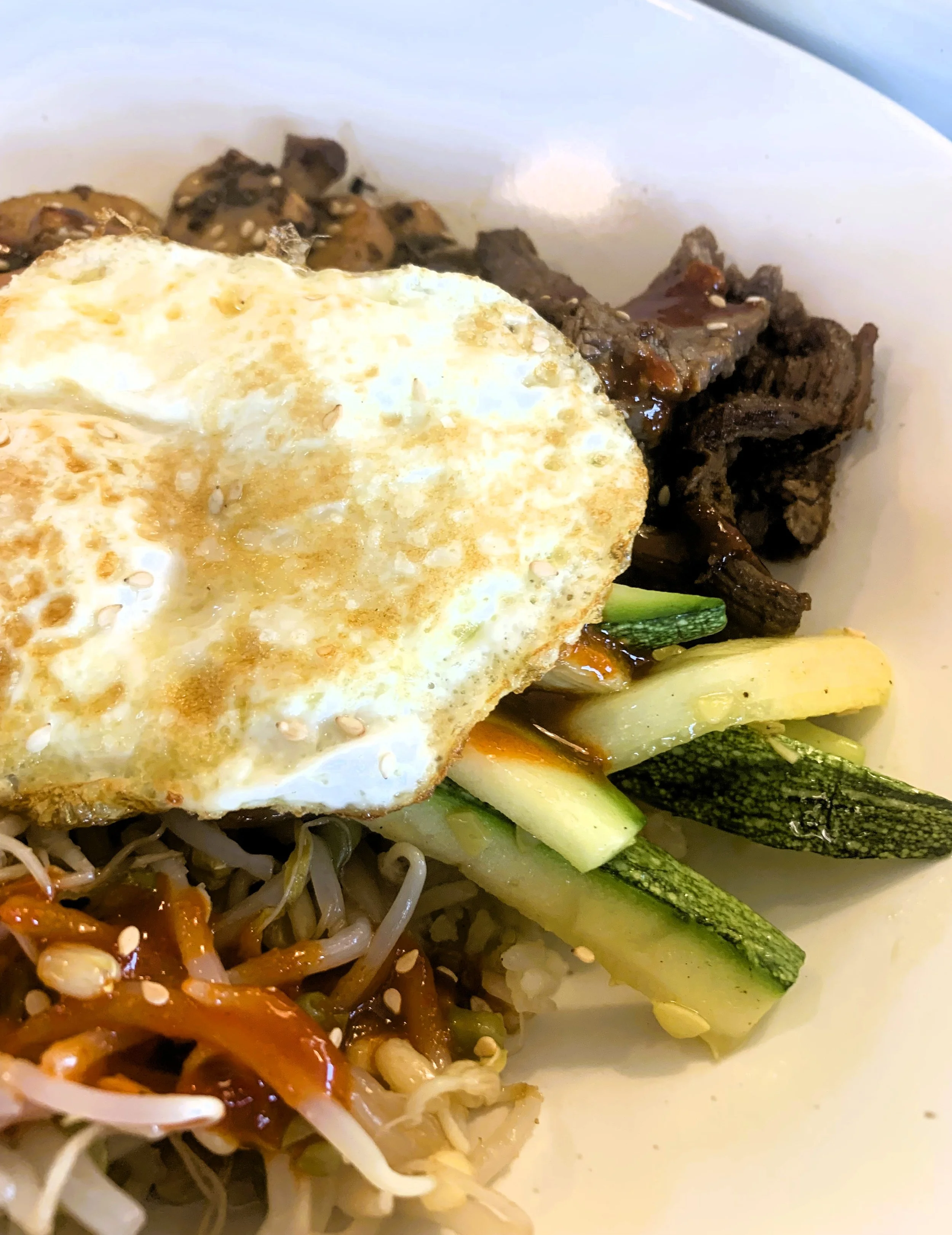
Crunchy….sweet.…tangy….nutty….tender….savory….spicy.…silky….fresh....satisfying….balanced: all of these tastes and textures available in one luscious bowl! What more could you ask for?
PERSNICKETY NOTES:
**Rice – Bibimbap is traditionally served with short-grain white rice, but you can also use sushi rice. The short grain rices are stickier so it’s easier to pick up with chopsticks. However, any white or other rice will also work.
(If you prefer a bit of crispness to your rice, as in dolsot bibimbap, use a cast iron skillet, heavy Dutch oven, or stainless steel frying pan. Heat the pan over medium-high heat until hot. Pour in 1 - 2 tablespoons of sesame oil and swirl to coat the bottom and sides. Press your warm, pre-cooked rice firmly into the bottom of the pot/pan in an even layer. Leave the rice undisturbed for 5 - 10 minutes over medium heat; listen for a gentle crackling sound. Use a thin spatula to peek underneath for a deep golden-brown color. Remove from heat, then use the rice in the above recipe.)
**Beef – you can buy finely sliced beef in the freezer section of Asian stores, and I strongly urge you to do that if you can, I usually do! To do it yourself (which I did for the video & photos), use any tender cut of beef suitable for quick cooking (I used tenderloin). To slice super finely (the “Asian” way!), freeze for 30 to 60 minutes until firm but not rock hard, then finely slice as thin as possible.
**Apple – using grated apple (or nashi pears, a classic Korean marinade ingredient) which adds flavor and sweetness and helps to tenderize the meat.)
**Soy sauce – use light or all-purpose soy. Do not use dark soy or sweet soy, which are too heavy for this recipe.
**Gochujang – a spicy red miso-based sauce which adds lots of flavor to Korean dishes. You can find it at Asian grocery or at many Grocery Stores in the Asian section. It can also be ordered online at vendors such as Amazon.com.
**Mirin – Sweet Japanese cooking wine, also used in Korean cooking. Sold at Asian grocery stores and in the Asian section at most Grocery Stores.
**Rice Vinegar – Rice vinegar is sweeter and milder than most other vinegars, though you can substitute it with apple cider or white vinegar. Also available in most grocery stores in the Asian section.
**Sesame Oil – Use toasted sesame oil, if possible, for its stronger flavour. Toasted is a brown liquid; untoasted is yellow. However, if you can’t find the toasted, the lighter untoasted oil still provides the nice, nutty flavor of sesame.
**Storage – This is a great recipe to make ahead and keep refrigerated for 4 to 5 days. You can also make the marinated beef ahead, then store in the freezer until ready to prepare the other ingredients and complete the recipe.